Stripe
Payment session and webhook code exists for online payment flows.
Launch a branded store, manage products, and grow from a free plan.
Zyvlon helps small merchants move from account creation to a hosted online store with a tenant-aware dashboard, catalog controls, customer carts, order management, SEO settings, analytics events, and a paid-plan path for custom domains and advanced growth features.
Problem
Product promise
Workflow
This is the practical path verified from implementation, not a wishlist of future capabilities.
Create an account
Receive a default organization and store
Configure branding and store settings
Add products, categories, images, variants, stock, and offers
Publish and share the assigned store URL
Manage customer orders from the dashboard
Upgrade when custom domains, larger limits, or advanced SEO are needed
Verified features
Each feature below is backed by implementation evidence from schemas, server actions, routes, APIs, or client screens.
Registration creates an organization, store, owner membership, platform subdomain, starter settings, free subscription, SEO defaults, and a published starter theme.
Products support categories, variants, images, pricing, stock, SKU fields, pre-order flags, offers, and published status controls.
Customer accounts, carts, coupon application, order creation, purchase records, and order management routes are implemented.
Stores include SEO settings, per-entity metadata, redirects, sitemap and robots handling, structured data helpers, and canonical URL support.
The commerce flow includes coupon models, claimed coupon tracking, cart coupon application, and product or variant-level offers.
Resend email templates, verification and reset flows, notification records, and Pusher-backed realtime plumbing are present.
Paid plans can unlock custom domain creation, DNS verification, primary-domain selection, and provider attach through Dokploy when configured.
Growth and Pro plans can unlock Search Console connection, sitemap submission, URL inspection, imported search performance, and SEO audit issue records.
Plans define increasing limits for stores, products, staff, custom domains, analytics retention, and URL inspections.
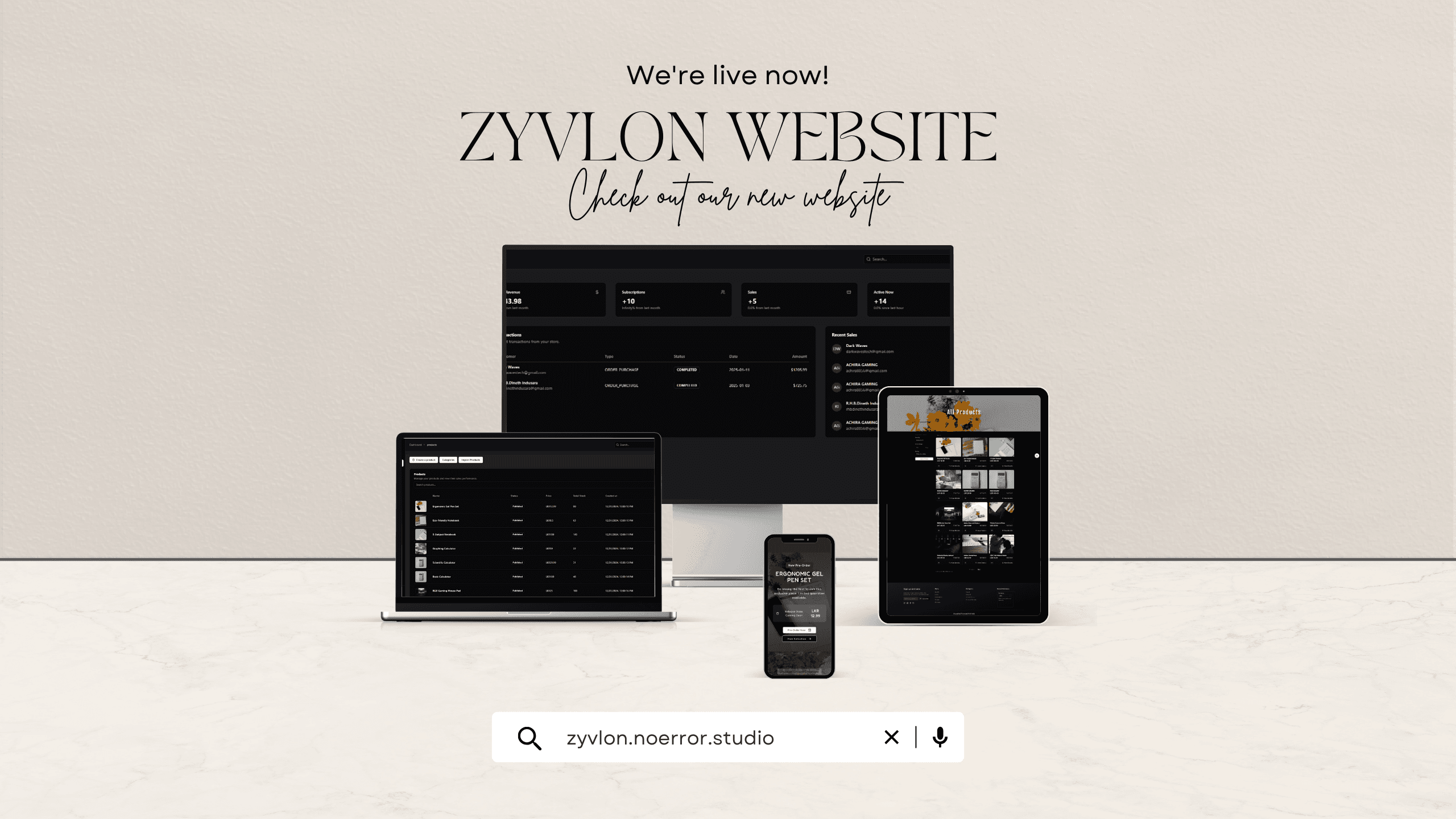
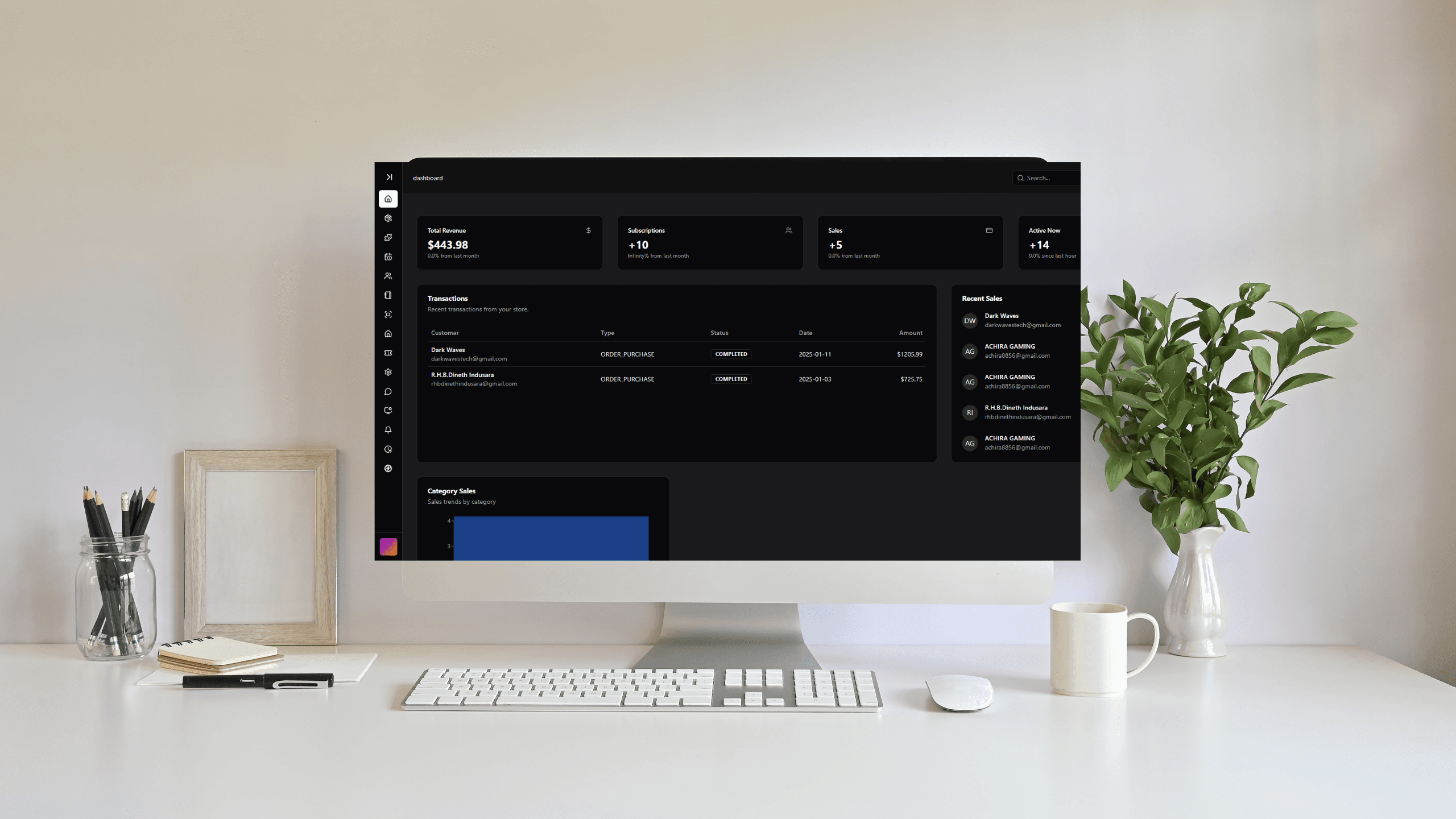
Product screens
Screenshots are pulled from existing product assets and repository screenshots rather than stock imagery.
Integrations
Payment session and webhook code exists for online payment flows.
Authorize.Net transaction creation and webhook handling are present.
OAuth callback and Search Console API helpers are implemented for connected stores.
Upload, stored asset, and generated link helpers support product and brand media.
Current limitations
These gaps are intentionally visible so the product pages stay accurate while the roadmap continues.
FAQ
Yes. The registration flow creates a merchant account, organization, default store, platform subdomain, free subscription, SEO defaults, and starter theme.
The custom-domain system exists and is plan-gated. It requires DNS verification and deployment-provider configuration.
No. The verified checkout flow is account-based; guest checkout was not found in the implementation.